Queues and turn-taking
Lines form for buses, cafés, and service counters. If you step away, you may lose your place unless you clearly coordinate with someone. When in doubt, ask.
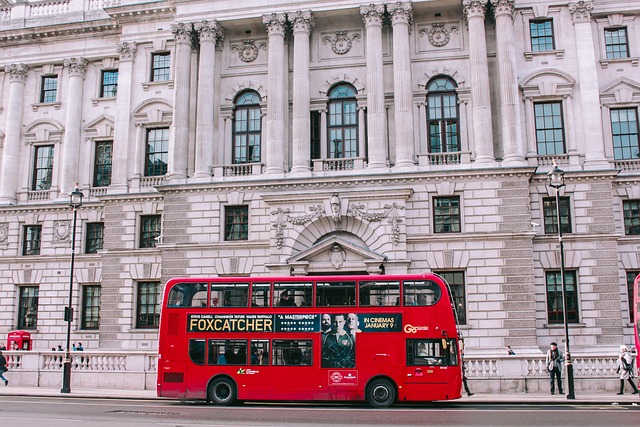
Many UK norms prioritize predictability in shared spaces: standing in line, keeping conversation volume moderate, and using small politeness phrases. These habits are not universal, but they can make everyday interactions smoother.
The UK is not culturally uniform. City pace, humour, accents, and social expectations can feel different across England, Scotland, Wales, and Northern Ireland, and also between urban and rural areas.
These notes are informational. Individual venues and local communities may have their own expectations and house rules.
Many everyday interactions in the UK are structured around courtesy, personal space, and low-friction routines. You will often hear “please”, “thank you”, and “sorry” used frequently, including in situations that are not anyone’s fault. This can be a way to keep interactions friendly and calm. Queuing is a major social norm: cutting in line can be viewed as disrespectful, even if the situation feels informal. If you are unsure where a line starts, a quick “Is this the queue?” is normal.
Conversation style is often more indirect than in some other cultures. People may soften requests and criticism with polite phrasing, and humour can be dry or understated. It is common to avoid intense personal questions with strangers. In public places such as trains, buses, and waiting rooms, many people keep to themselves. That said, brief small talk does happen, especially in quieter towns, during events, or when someone needs help.
Lines form for buses, cafés, and service counters. If you step away, you may lose your place unless you clearly coordinate with someone. When in doubt, ask.
In many public settings, quieter conversation is typical. On crowded transport, backpacks are often held lower or moved to reduce bumps.
“Sorry” can mean “excuse me”, “pardon”, or “I did not hear you”. It helps defuse minor friction in crowded areas.
A short opener like “Hi, could you help me with something?” is standard. In busy stations, staff desks can be more efficient than asking passengers.
If you are worried about doing the “right” thing, mirror the pace of the room. In a pub, watch how people order. In a museum, follow signage and staff instructions. In a queue, keep your position and leave enough space for others to pass.
Food and drink spaces can vary widely, but a few patterns are common. In many pubs, you order at the bar rather than waiting for table service. People typically remember their position in the informal bar queue. If you are eating, some pubs ask you to order at the bar and then give a table number. In restaurants, table service is typical and you are seated by staff more often in larger venues. Payment patterns also differ: some places bring a card machine to the table, while others ask you to pay at the counter.
Tipping in the UK is not a single rule. Some restaurants add a service charge which should be clearly shown. If you see a service charge and you have concerns about it, you can ask staff to explain. In pubs, tipping is less common for standard drink orders. If you want to be extra clear, you can simply say “keep the change” when paying in cash, or ask whether service is included when paying by card.
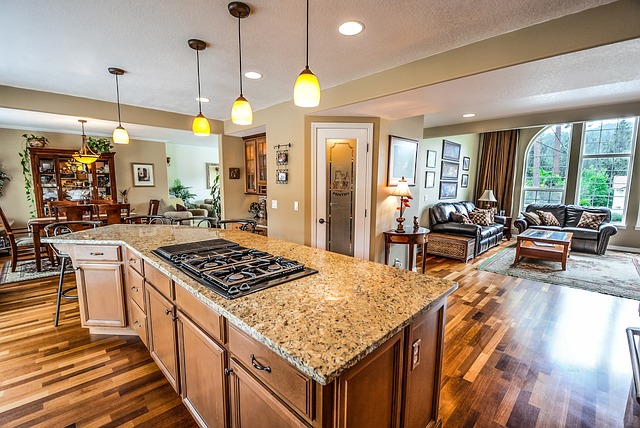
In pubs, ordering at the bar is common. In restaurants, wait to be seated unless signage says otherwise.
If a space is busy, avoid leaving a bag on a chair. In smaller cafés, tables may be shared at peak times.
Service charge may be included. For clarity, check the bill before adding an extra tip.
The UK includes multiple national identities with distinct histories and modern institutions. Many residents identify strongly as English, Scottish, Welsh, or Northern Irish, and these identities can influence local symbols, sports loyalties, and political conversations. When discussing the UK, it helps to be specific about place names and to avoid assuming that one region represents the whole country. A neutral approach is to ask what term people prefer for themselves and to follow their lead.
Linguistic variety is part of everyday life. English is widely used across the UK, but Welsh is also used in Wales and appears on public signage. In Scotland and Northern Ireland, you may encounter Scots, Scottish Gaelic, and Irish in cultural contexts and local communities. Accents vary widely and can be challenging at first. If you do not understand, it is acceptable to ask politely for repetition rather than pretending to follow.
If you are talking about Edinburgh, say Scotland. If you mean London, say England. Specificity signals respect and avoids confusion.
Bilingual signs are normal in some regions. Treat them as part of local life rather than a tourist feature to debate.
Accents differ by city and region. If you miss something, a calm “Sorry, could you say that again?” is normal and usually appreciated.
Politics and identity can be important and nuanced. If you are not sure, keep questions general and avoid assumptions about someone’s views.
To understand why institutions differ across the UK, the History section provides background on union, devolution, and how local governance developed over time.
On public transport, practical courtesy matters: let people exit before you board, keep bags out of aisles, and if the carriage is crowded, avoid blocking doors. In some cities, escalator etiquette is common, with one side kept clear for people who want to walk. Rules vary, so signage is your best guide. When using stations, allow extra time for platform changes and ticket gates, and keep your ticket or device ready rather than searching at the barrier.
In museums, galleries, and historic sites, quiet observation is typical and many venues have clear rules about photography and touching exhibits. In the countryside, public footpaths often cross farmland. You may encounter gates and stiles, and you are generally expected to close gates behind you and keep to marked paths. Littering is socially frowned upon across the UK. If you are hiking, check weather and daylight, carry water, and let someone know your plan on longer walks.
If you walk on public footpaths, treat gates and fences as working infrastructure. Close gates behind you, keep dogs controlled where required, and stick to the path to protect crops and reduce conflict with livestock. In popular areas, parking and narrow lanes can be sensitive points, so follow local signage and avoid blocking access routes.
The UK cultural calendar includes major public holidays and local traditions. In many places, communities organize seasonal events such as light festivals, music weekends, food markets, book fairs, and cultural celebrations. Theatre and live music are prominent in large cities, while smaller towns often emphasize local festivals, community halls, and sports clubs. Museum programming and temporary exhibitions can be a highlight throughout the year and are often a reliable option in wet weather.
Sport is a common conversation topic, especially football, rugby, cricket, and local derbies. It can be a friendly way to connect, but it can also be intense on match days near stadiums. If you are attending a match, arrive early, follow venue rules, and be mindful of crowd flow. In pubs, sports talk is common, but it is best to keep opinions measured if you are unfamiliar with local rivalries.
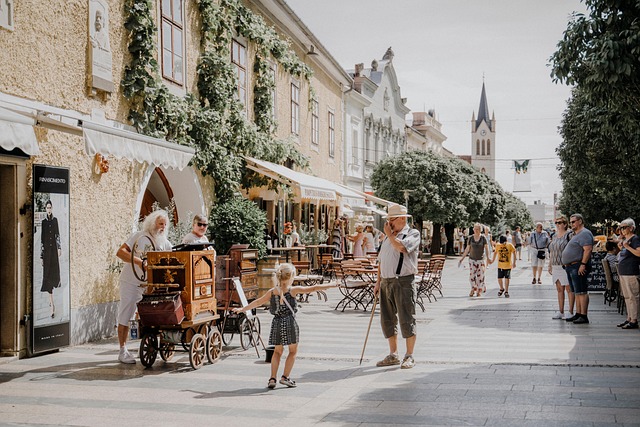
Check local listings and venue schedules. Some cultural events sell out quickly, while many community events are drop-in.
A strong option year-round. Look for late openings, tours, and special exhibits if you want a deeper visit.
Allow extra transport time. Crowds can be large near stadiums and major pubs before and after games.
If your trip is focused on museums, theatre, or local festivals, start with Guides and then use Travel for logistics like rail links, ticket timing, and day structure.
Quick answers to practical culture questions. These are general patterns, not strict rules. When local signage or staff guidance differs, follow that first.
It depends on context. Brief, practical questions are common, and small talk can happen in relaxed settings. On crowded commuter transport, many people prefer quiet, so keep it short and respectful.
Not always. Some places include a service charge on the bill. If it is included and you are satisfied, many people do not add extra. If it is not included, you can tip if you choose. When unsure, ask whether service is included.
It is commonly used as a soft “excuse me” in crowded spaces, or as a polite marker when interrupting, asking for repetition, or navigating minor inconveniences.
No. You will notice differences in accents, pace of life, local customs, and regional identity. Urban and rural areas can also feel very different even within the same region.
Follow posted signage and staff guidance first. In social settings, a simple, polite question is usually welcomed. Mirroring the behavior of the room is often enough.
The information on this website is for informational and educational purposes only. It does not constitute legal, immigration, or official government advice. Cultural norms vary by region, venue, and individual preference. When rules are posted by venues or authorities, follow those rules first.